Michigan DUI Playbook | Attorney Jonathan Paul
  • DUI Playbook
  • Survival Guides
    • Oakland County >
      • Novi
      • Troy Clawson
      • Farmington Hills
      • Bloomfield Hills
      • Rochester Hills Auburn Hills
      • Royal Oak/Berkley
      • Southfield
      • Clarkston
      • Oak Park
      • Waterford
    • Wayne County >
      • Plymouth Canton Northville
      • Livonia
      • Westland
      • Dearborn
      • Woodhaven Brownstown Twp Trenton
      • Romulus Van Burn Twp Belleville
      • Wyandotte Riverview
      • Dearborn Heights
      • Taylor
    • Macomb County >
      • Clinton Township
      • Shelby Township
      • Warren
      • St. Clair Shores
      • Sterling Heights
      • Fraser Roseville
      • Chesterfield New Baltimore
      • Romeo
    • Washtenaw County >
      • Ann Arbor
      • Saline
      • Chelsea
      • Pittsfield Twp
      • Ypsilanti
      • Ypsilanti Twp
    • Lenawee County
    • Genesee County
    • Monroe County
    • Jackson County
    • Livingston County
  • Offenses
    • Operating While Impaired
    • Super Drunk | High BAC
    • Operating Presence Drugs
    • Operating While Intoxicated
    • Minor BAC | Zero Tolerance
    • DUI Expungement
    • OWI Child Endangerment
    • Felony DUI Third Offense
    • DUI Videos
  • Growth Mindset
  • Common Issues
    • Making Substantial Changes
    • Experience Change Model
    • Trial Videos
    • Can the prosecutor prove I was driving?
    • What are my bond conditions?
    • Out of State License
    • Surviving the Implied Consent Law
    • CDL Concerns
    • Field Sobriety / PBT
    • How to beat the blood draw
    • How to beat the Datamaster
  • 5-Star Defense
  • Contact Me
    • Our Team
    • Client Application
  • DUI Expungement
  • Prosecutor Confessions
    • Why I became a Defense Lawyer
    • OWI First Offense
    • OWI Second Offense
    • OWI Third Offense
    • Field Sobriety Tests
    • Implied Consent
    • Hardship Appeal
    • Chemical Tests
    • Sobriety Court
  • Courts
    • Oakland County >
      • More Courts >
        • Oak Park
        • Madison Heights
        • Hazel Park
        • Ferndale
        • Pontiac
        • Waterford
      • Novi 52-1
      • Clarkston 52-2
      • Rochester Hills 52-3
      • Troy 52-4
      • Royal Oak 44th
      • Southfield 46th
      • Farmington Hills
      • Bloomfield 48th
    • Washtenaw County >
      • Ann Arbor
      • Pittsfield Twp 14A1
      • Ypsilanti 14-A
      • Ypsilanti 14-B
      • Chelsea 14A3
      • Saline 14A4
    • Wayne County >
      • More Courts >
        • Redford
        • Lincoln Park
        • 25th District Court Ecorse
        • Wyandotte
        • Southgate
        • 30th District Court Highland
        • Hamtramck
        • Dearborn Heights
        • 32nd District Court Harper Woods
      • Livonia
      • Plymouth 35th
      • Allen Park
      • Romulus
      • Grosse Pointe
      • Woodhaven
      • Dearborn
      • Detroit
      • Garden City
      • Westland
    • Macomb County >
      • Center Line District Court
      • Clinton Township
      • Eastpointe District Court
      • Fraser | Roseville
      • Shelby Township
      • Sterling Heights
      • St Clair Shores
      • New Baltimore | Chesterfield
      • Warren
    • Livingston County
    • Genesee County
    • Jackson County
    • Monroe County
    • Lenawee County
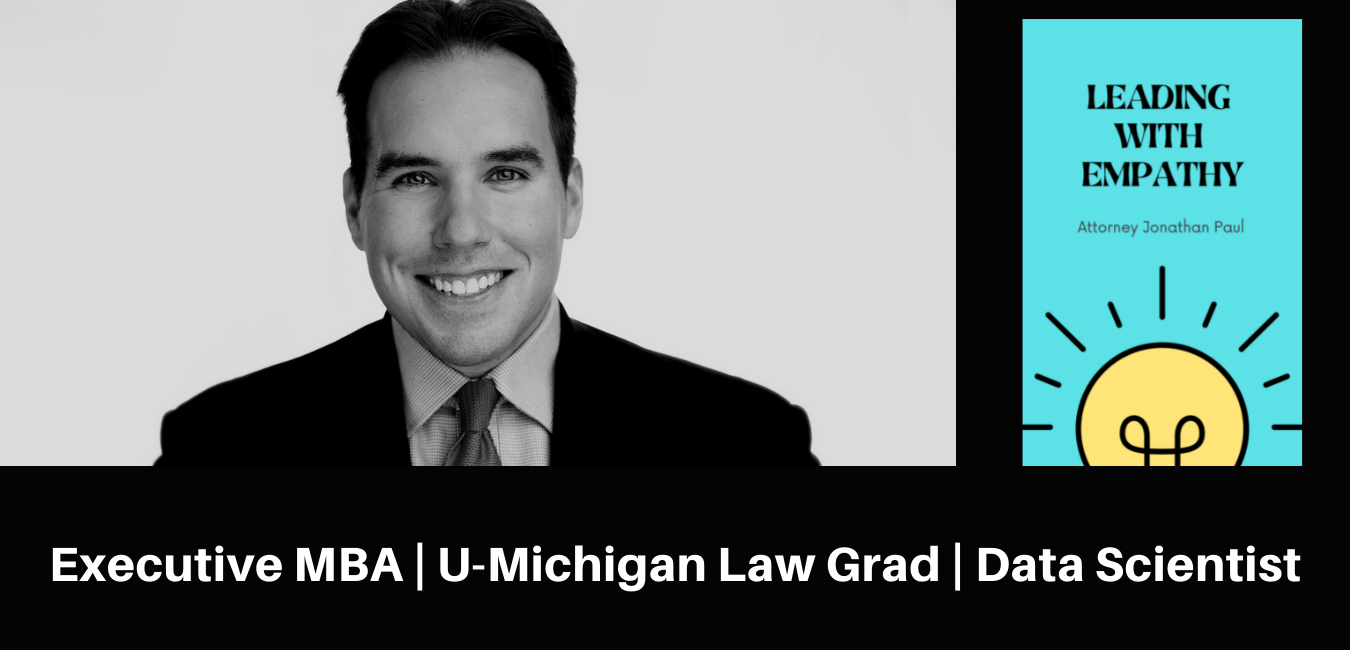
  • Leading with Empathy
  • Reviews

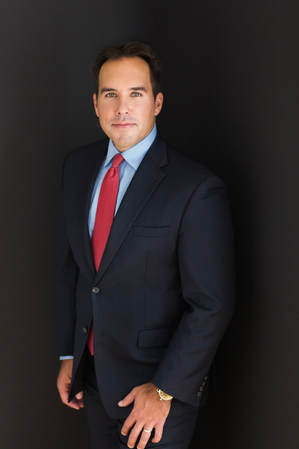
Michigan Attorney + Former Prosecutor:  Jonathan Paul

Picture

Call Me: 248-924-9458


Jonathan Andrew PaulReviewsout of 275 reviews
Jonathan Andrew PaulClients’ ChoiceAward 2025
Facing a drunk driving charge can be a daunting experience. However, having an attorney who uses the power of empathy and compassion can make a world of difference in the outcome of your case.

​In Michigan, drunk driving charges can result in serious consequences, including fines, jail time, license suspension, and more. Here's how an attorney can use empathy and compassion to help you in your drunk driving case:
​
  1. Understanding the Client's Perspective: A skilled attorney will take the time to understand their client's perspective. This includes listening to their side of the story, understanding the circumstances surrounding the drunk driving charge, and taking into account the client's feelings about the situation. By understanding the client's perspective, an attorney can better tailor their defense strategy to the client's specific needs and goals.
  2. Reducing the Stigma of a Drunk Driving Charge: A drunk driving charge can be stigmatizing and embarrassing. However, an attorney who uses empathy and compassion can help reduce that stigma. By treating the client with respect and empathy, an attorney can help the client feel less ashamed and more willing to actively participate in their defense.
  3. Finding Solutions that Work for the Client: An attorney who uses empathy and compassion will work to find solutions that work for the client. This includes exploring alternative sentencing options such as rehabilitation programs, community service, or other alternatives to jail time. By doing so, an attorney can help the client avoid the harsh consequences of a drunk driving conviction.
  4. Building Trust with the Client: Empathy and compassion can also help an attorney build trust with their client. When a client feels that their attorney truly cares about their well-being, they are more likely to be forthcoming about their situation and more willing to work together to find the best possible outcome.
  5. Providing Emotional Support: A drunk driving charge can be an emotional rollercoaster for the client. An attorney who uses empathy and compassion can provide emotional support to their client throughout the legal process. This includes being available to answer questions, providing reassurance, and helping the client navigate the complex legal system.
An attorney who uses empathy and compassion can make a world of difference in a drunk driving case in Michigan. By understanding the client's perspective, reducing the stigma of a drunk driving charge, finding solutions that work for the client, building trust, and providing emotional support, an attorney can help their client achieve the best possible outcome.
Drunk driving is one of the most common offenses among otherwise law-abiding individuals. A first-time offense can be a shocking, life-altering event for someone who respects the law, values their family, and has a strong moral compass. Understanding why a good person might make the poor choice to drive under the influence requires an exploration of psychological, social, and situational factors. By examining this behavior through the lens of criminological theories and real-world examples, we can better contextualize this mistake, providing insight into how individuals can learn, grow, and prevent recurrence.

Criminological Theories Applied to Drunk Driving
​

1. Rational Choice Theory (Derek Cornish and Ronald Clarke)

Key Idea: Individuals weigh the perceived risks and rewards of their actions before deciding whether to commit a crime.
  • Application to Drunk Driving:
    Many first-time offenders believe they can manage the risks associated with drunk driving, whether due to overconfidence in their sobriety or a lack of awareness about the consequences. They rationalize their decision, often underestimating the potential harm.
  • Example of Behavior:
    A professional at a work event has two drinks and decides to drive home because they feel fine and don’t want to leave their car behind. They rationalize, “It’s late, the roads are empty, and I’ve driven after more than this before.” This perceived control over the situation leads to a poor decision.

2. Behavioral Economics (Daniel Kahneman and Amos Tversky)

Key Idea: Cognitive biases, such as overconfidence or present bias, influence decision-making, often leading to irrational choices.
  • Application to Drunk Driving:
    Drunk driving often stems from present bias, where immediate convenience (getting home quickly) outweighs consideration of future consequences (arrest, injury, or death). Alcohol further impairs judgment, exacerbating this tendency.
  • Example of Behavior:
    After a stressful day, a parent attends a gathering and has a few drinks. Despite feeling slightly impaired, they prioritize getting home to their children over waiting for a rideshare. The immediate need to be home feels more pressing than the potential risks of driving under the influence.

3. Self-Control Theory (Michael Gottfredson and Travis Hirschi)

Key Idea: Low self-control, often influenced by poor impulse regulation, makes individuals more likely to engage in risky behavior.
  • Application to Drunk Driving:
    Alcohol consumption itself diminishes self-control, making it harder for individuals to adhere to their usual values or judgment. For first-time offenders, this temporary loss of control can lead to a choice that is inconsistent with their character.
  • Example of Behavior:
    A college graduate celebrating a promotion has several drinks and initially plans to take a rideshare home. However, when leaving the event, they impulsively decide to drive their car home, thinking, “I just want to sleep in my own bed tonight.”

4. Neutralization Theory (Gresham Sykes and David Matza)

Key Idea: People justify their actions through mental techniques that minimize their guilt or responsibility.
  • Application to Drunk Driving:
    First-time offenders often rationalize their behavior to themselves, minimizing the harm or responsibility involved. These justifications allow them to reconcile their actions with their otherwise law-abiding self-image.
  • Example of Behavior:
    • “I’m just a couple of miles from home; I’ll drive slowly.”
    • “I’m not as drunk as some people who drive all the time. I’m fine.”
    • “It’s not that big of a deal. I’ve handled worse situations.

These thought patterns allow individuals to override their internal moral checks in the moment.

5. General Strain Theory (Robert Agnew)
​
​
Key Idea: Stress or strain, whether emotional, relational, or financial, can lead to deviant behavior as a way to cope.
  • Application to Drunk Driving:
    Drunk driving can result from using alcohol as a coping mechanism for unresolved stress or strain, such as job pressure, relationship issues, or financial concerns. The act of driving home becomes part of an attempt to restore normalcy after a difficult day or week.
  • Example of Behavior:
    A young professional under intense workplace stress attends a happy hour to unwind. After a few drinks, they drive home because they feel a need to wake up in their own bed and start the next day fresh, minimizing the impact of their stress.

Additional Factors Contributing to Drunk Driving
Situational Influences

Drunk driving often occurs due to situational factors that impair decision-making:
  • Lack of a Plan: The individual did not arrange for alternative transportation before drinking.
  • Social Pressures: Friends or peers encourage them to drive, downplaying the risks.
  • Convenience Over Safety: Driving home seems easier than waiting for a rideshare or leaving the car overnight.

Lessons and Growth Opportunities
For a first-time drunk driving offender, the experience is often a wake-up call or what we might call insight and awareness.

The realization of how close they came to harming themselves or others can be deeply unsettling. Through reflection, accountability, and proactive steps, this moment can become a turning point.

Steps Toward Growth
  1. Understanding the “Why”
  2. Proactive Measures
  3. Restoring Trust

Why Understanding These Theories Matters
Drunk driving is rarely the result of intentional recklessness. Instead, it often stems from a convergence of stress, impaired judgment, and situational factors that overwhelm a person’s usual values and decision-making. By understanding the psychological and social dynamics behind this choice, individuals can reflect on their actions, take responsibility, and implement safeguards to ensure it never happens again.

This is the essence of the Empathy-Compassion Defense Matrix—not just addressing just the legal consequences of the act but using the experience to grow, learn, and rebuild trust in oneself and the community. For good people who made a bad choice, this approach offers a path forward, turning a moment of poor judgment into an opportunity for lifelong change.

Picture


Testing for drugs while on bond for drunk driving, what are the testing options?

Is it possible to turn a DUI charge into a simple disorderly conduct? 

Win Your Trial: How To Voir Dire in a DUI Case
What Is Sobriety Court, And Is It An Option For My Case?

Beat the DUI recommendation because you earned it!

Do I have the right to a lawyer for a chemical test in Michigan?

How to work out creative solutions with the prosecutor on a Michigan DUI

DUI for someone under 21? 
Can you be charged for a DUI while sleeping in your car?

What To do When Pulled Over for a DUI In Michigan - You Should Shut Up! 

Michigan DUI deals - what to do when the prosecutor says "NO DEALS"  - time to get creative!
I wasn't even driving - how to beat the case 

Getting to the truth with the Michigan Datamaster Chemical Test

What does the PBT mean for my case?

What happens if I get a DUI while visiting or on business in Michigan?

Will the state take away my kids for getting a DUI?
What do my blood results means for my case?
Everything you need to know about implied consent 
Charged with Super Drunk, now what? 
How to challenge the Datamaster at trial and win
Court ordered ETG and PBT - what's the secret?
How to beat the field sobriety tests
Should you have a jury or bench trial?
How to impress the DUI judge
What will the driver's license sanctions be for my case?  ​

Ann Arbor Office Location

Plymouth Office Location

Email Me Now
Picture

Representing DUI Clients in Michigan

Representing clients charged with a DUI in Ann Arbor, Canton, Brighton, Howell, Saline, Adrian, Taylor, Plymouth, Northville, Westland, Ypsilanti, Pittsfield Towsnhip, Warren, Sterling Heights, Farmington, Pontiac, Romulus, Lansing, Novi, South Lyon, Southfield, Birmingham, Bloomfield Hills, Royal Oak, Troy, Rochester, Jackson, East Lansing, Garden City, Livonia, Dearborn, Detroit, St Clair Shores, Hazel Park, Ferndale, Madison Heights, Waterford, Milford, Shelby Township Clarkston, Oak Park, Berkley, Fraser, Sterling Heights, Clinton Township and others throughout Washtenaw, Wayne, Monroe, Jackson, Genesee, Macomb, Ingham, Lenawee, Livingston and Oakland County. ​
  • DUI Playbook
  • Survival Guides
    • Oakland County >
      • Novi
      • Troy Clawson
      • Farmington Hills
      • Bloomfield Hills
      • Rochester Hills Auburn Hills
      • Royal Oak/Berkley
      • Southfield
      • Clarkston
      • Oak Park
      • Waterford
    • Wayne County >
      • Plymouth Canton Northville
      • Livonia
      • Westland
      • Dearborn
      • Woodhaven Brownstown Twp Trenton
      • Romulus Van Burn Twp Belleville
      • Wyandotte Riverview
      • Dearborn Heights
      • Taylor
    • Macomb County >
      • Clinton Township
      • Shelby Township
      • Warren
      • St. Clair Shores
      • Sterling Heights
      • Fraser Roseville
      • Chesterfield New Baltimore
      • Romeo
    • Washtenaw County >
      • Ann Arbor
      • Saline
      • Chelsea
      • Pittsfield Twp
      • Ypsilanti
      • Ypsilanti Twp
    • Lenawee County
    • Genesee County
    • Monroe County
    • Jackson County
    • Livingston County
  • Offenses
    • Operating While Impaired
    • Super Drunk | High BAC
    • Operating Presence Drugs
    • Operating While Intoxicated
    • Minor BAC | Zero Tolerance
    • DUI Expungement
    • OWI Child Endangerment
    • Felony DUI Third Offense
    • DUI Videos
  • Growth Mindset
  • Common Issues
    • Making Substantial Changes
    • Experience Change Model
    • Trial Videos
    • Can the prosecutor prove I was driving?
    • What are my bond conditions?
    • Out of State License
    • Surviving the Implied Consent Law
    • CDL Concerns
    • Field Sobriety / PBT
    • How to beat the blood draw
    • How to beat the Datamaster
  • 5-Star Defense
  • Contact Me
    • Our Team
    • Client Application
  • DUI Expungement
  • Prosecutor Confessions
    • Why I became a Defense Lawyer
    • OWI First Offense
    • OWI Second Offense
    • OWI Third Offense
    • Field Sobriety Tests
    • Implied Consent
    • Hardship Appeal
    • Chemical Tests
    • Sobriety Court
  • Courts
    • Oakland County >
      • More Courts >
        • Oak Park
        • Madison Heights
        • Hazel Park
        • Ferndale
        • Pontiac
        • Waterford
      • Novi 52-1
      • Clarkston 52-2
      • Rochester Hills 52-3
      • Troy 52-4
      • Royal Oak 44th
      • Southfield 46th
      • Farmington Hills
      • Bloomfield 48th
    • Washtenaw County >
      • Ann Arbor
      • Pittsfield Twp 14A1
      • Ypsilanti 14-A
      • Ypsilanti 14-B
      • Chelsea 14A3
      • Saline 14A4
    • Wayne County >
      • More Courts >
        • Redford
        • Lincoln Park
        • 25th District Court Ecorse
        • Wyandotte
        • Southgate
        • 30th District Court Highland
        • Hamtramck
        • Dearborn Heights
        • 32nd District Court Harper Woods
      • Livonia
      • Plymouth 35th
      • Allen Park
      • Romulus
      • Grosse Pointe
      • Woodhaven
      • Dearborn
      • Detroit
      • Garden City
      • Westland
    • Macomb County >
      • Center Line District Court
      • Clinton Township
      • Eastpointe District Court
      • Fraser | Roseville
      • Shelby Township
      • Sterling Heights
      • St Clair Shores
      • New Baltimore | Chesterfield
      • Warren
    • Livingston County
    • Genesee County
    • Jackson County
    • Monroe County
    • Lenawee County
  • Leading with Empathy
  • Reviews